You’ve probably been there. You buy an LED strip online—great price, looks good in the photos, decent reviews. Three months later, it starts flickering. Or the color shifts to a weird yellowish hue. Or one section just… stops working.
Sound familiar?
Here’s the reality: not all LED strips are created equal. The market is flooded with cheap products that look identical in product photos but perform completely differently after a few months of use.
As a professional LED strip manufacturer, we see this all the time. Customers come to us after being burned by low-quality products, frustrated and skeptical. But once you know what to look for, you can spot a quality LED strip in minutes—even before you plug it in.
Here are six signs that separate high-quality LED strips from the ones that will end up in the trash within a year.
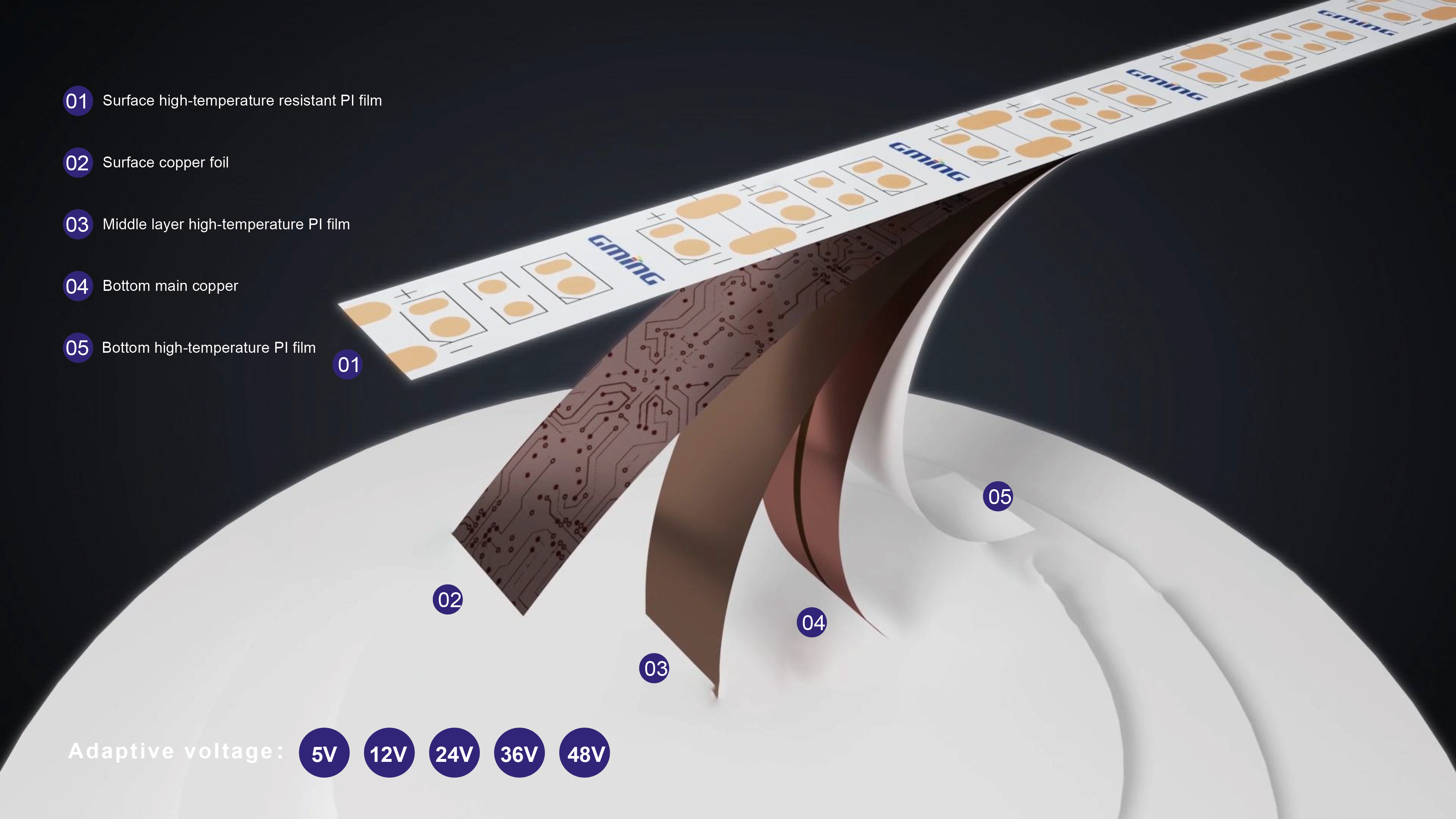
What to look for: A thick, heavy circuit board. If the strip feels flimsy and light, that’s a red flag.
The PCB (printed circuit board) is the backbone of your LED strip. It carries the electrical current and dissipates heat. Cheap strips use thin copper layers (typically 1oz or less) to cut costs. High-quality strips use 2oz or 3oz copper.
Why it matters: Thicker copper means:
How to check: Look at the specs. Reputable manufacturers will list the PCB thickness (e.g., 2oz copper, 4-layer board). If the listing doesn’t mention it, that’s usually a sign it’s using the cheapest possible materials.
What to look for: Recognizable brand names like Epistar, San’an, Osram, or Nichia. Or at least, a supplier willing to tell you the chip source.
The LED chip is the heart of the strip. It determines brightness, color accuracy, and lifespan. Cheap strips often use no-name chips—rejects from major manufacturers or low-grade alternatives.
Why it matters: A quality chip will maintain consistent color over time. Cheap chips:
Pro tip: If a seller says “high brightness” but can’t tell you the chip brand, walk away. Legitimate manufacturers know exactly what they’re putting in their products.
What to look for: Uniform color across the entire strip. No noticeable differences between individual LEDs.
This is one of the most overlooked quality indicators. When you buy a 5-meter strip, every LED on that strip should produce the exact same color. Cheap manufacturers don’t control for this—they mix chips from different production batches (called “bins”) on the same strip.
Why it matters: Poor bin control means your strip will look like a patchwork of slightly different colors. For white strips, this is especially noticeable. One section looks cool white, another looks warm white—and once it’s installed, you can’t unsee it.
How to check: Look for mention of “bin control” or “color consistency” in the product specs. Premium manufacturers will guarantee that all chips come from the same bin.
What to look for: Clean, consistent solder joints at connection points. No messy blobs, no cold joints, no visible corrosion.
Take a close look at where wires attach to the strip, and at the cut points between segments. Quality strips have precise, uniform soldering. Cheap strips often have:
Why it matters: Poor soldering is the number one cause of intermittent failures. A strip might work fine for months, then suddenly flicker or go dark because a poorly soldered connection finally gave out.
How to check: If you’re buying online, look for close-up photos of the connection points. If the photos are blurry or only show the strip from a distance, that’s a warning sign.
What to look for: 3M adhesive backing. Not “strong adhesive.” Not “high-quality tape.” Specifically, 3M.
The adhesive is what keeps your strip in place. Cheap strips use generic adhesives that:
Why it matters: An LED strip that falls off the ceiling a month after installation is more than an annoyance—it can damage the strip itself (if it falls while powered) or damage your surface (paint, drywall).
Pro tip: Even with quality adhesive, we still recommend using mounting clips for critical installations. But if the manufacturer cheaped out on adhesive, it’s a good indicator they cheaped out elsewhere too.
What to look for: Clear warranty terms (1–3 years is standard for quality strips) and legitimate certifications (CE, RoHS, UL, ETL).
Cheap strips often:
Why it matters: Certifications like UL or ETL (for North America) mean the product has passed independent safety testing. For commercial or rental properties, using non-certified lighting can actually violate building codes or insurance requirements.
How to check: A legitimate manufacturer will display certification logos with corresponding certification numbers. You can verify these numbers on the certifying body’s website. If the logo is just a graphic with no number, it’s likely fake.
| Quality Indicator | What to Look For | Red Flag |
|---|---|---|
| PCB Copper Weight | 2oz or 3oz copper listed | No spec mentioned |
| LED Chip Brand | Epistar, San’an, Osram, Nichia | “High brightness” with no brand |
| Color Consistency | Bin control mentioned | Strip looks patchy in photos |
| Soldering | Clean, uniform joints | Blobs, corrosion, or no close-up photos |
| Adhesive | 3M brand backing | “Strong adhesive” (no brand) |
| Warranty & Certifications | 1–3 year warranty, UL/CE with numbers | No warranty, fake-looking logos |
A high-quality LED strip isn’t just about brightness—it’s about longevity, consistency, and reliability. The cheap strip that saves you $20 today could cost you far more in frustration, reinstallation time, and replacement purchases within a year.
When you’re shopping for LED strips, look beyond the product photos. Ask about the PCB, the chip brand, the solder quality. If the seller can’t answer basic questions about their own product, that’s your answer right there.
At our factory, we build LED strips that are designed to last—with 3oz copper PCBs, premium San’an chips, strict bin control, 3M adhesive, and full UL/CE certifications. Because we know that a lighting installation isn’t just about the first day it turns on. It’s about the thousands of days it keeps working after that.
Ready to invest in quality that lasts? Browse our collection of premium LED strips, backed by transparent specs and a real warranty. Whether you need single color, RGB, or waterproof neon flex, we build every strip to the standards you’d expect from a manufacturer that takes quality seriously.
Still have questions about what to look for? Our team is happy to walk you through the specs—no pressure, just honest advice.

 Our Store


 IPv6 network supported
 English
 français
 español
 العربية
 한국의
한국의